
Featured
New probation still a cause for concern
The Inspectorate’s overall conclusion reflects their continuing concerns about the new system; particularly around risk, and, most seriously, around risk to children:

The Inspectorate’s overall conclusion reflects their continuing concerns about the new system; particularly around risk, and, most seriously, around risk to children:

Our history shows that when new prisons are built, they are too frequently filled with more prisoners while old prisons are not decommissioned at all.

Black women are three times more likely than white women to be sent to prison in the USA
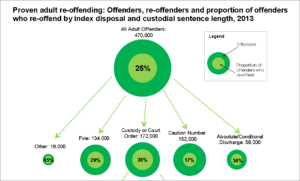
This consistent upward (with the exception of juveniles released from custody) trend is worrying and many commentators will feel it reflects the substantial cuts in probation resources over recently years. Paradoxically, new private probation providers may be pleased to see the rates rise as these are likely to form the baseline for their payment by results targets.

Restorative Justice Council has commissioned ICPR to map all restorative justice service in the criminal justice system in England and Wales. Get involved.

The multiple needs faced by women in contact with the criminal justice system mean that it is the responsibility of a range of agencies to work together for a more effective approach. PCCs can provide the leadership to ensure a co-ordinated approach to women’s offending.

This litany of figures hides of course the distress and tragedy behind all these individual incidents for both prisoners and staff. For just as self-harm incidents have increased by over one fifth, serious assaults on staff are up by over two fifths.

The ACMD found that the current quality of drug treatment in England varies significantly and is being compromised by frequent re-procurement and shrinking resources.

The Committee criticises the Work Programme for failing to find work for 70% claimants who it says require more personalised and intensive support to address complex barriers to working.

To examine and identify the reasons and obstacles as to why the current investigation system has fallen short of many families’ needs and expectations, with particular reference to the importance of accountability of those involved and sustained learning following such incidents.

The authors’ final conclusion notes that recovery is not just about stopping negative behaviour; it is also about making a positive contribution and engaging in society. 79.4% of survey participants reported having volunteered in community or civic groups since the start of their recovery journeys.

It remains extremely concerning that figures from CSEW suggest that less than one in 25 disability hate crimes were reported to and recorded by the police.