
Prison
Reduction in temporary release harms resettlement
We know that employment is key to desistance from crime, surely the Prison Service should be doing everything it can to help prisoners reintegrate into the community and go straight?

We know that employment is key to desistance from crime, surely the Prison Service should be doing everything it can to help prisoners reintegrate into the community and go straight?

Street gangs are becoming less visible in public, and more fluid in the way they organise. A key gang tactic is to exploit vulnerable people, but this problem is often hidden. This change is one of the main drivers behind this Home Office document which prioritises both reducing gang related violence and preventing the exploitation of vulnerable people by gangs by setting six new priorities.

Unpaid work has always been the Cinderella department of probation work – doing valuable work but under-valued and rarely fully integrated into the mainstream of offender management. It appears that the changes brought in by Transforming Rehabilitation are reinforcing this trend.

Although this is a coherent strategy, many remain disappointed that there has yet been little focus on the quality of work being delivered or on the progress of the new Through the Gate (TTG) resettlement services to short-term prisoners.

Recent UN data shows which cities and continents are the most dangerous to live in.

My experience in the UK is that despite repeated initiatives, the quality of co-ordinated treatment for those with alcohol and/or drug problems and mental health disorders varies markedly from area to area.

There’s no free lunch. Yet across the country, advocates of Pay for Success (PFS), or Social Impact Bonds (SIBs), serve up this alternative private financing model as a cost-free, risk-free silver bullet to support critical, yet underfunded, public services.

Since they are 10 million individuals in the UK with a criminal record, employers need to think twice before excluding such a large proportion of potential new recruits.

Why is the technology to overcome electronic immobilisers (in existence and available for some years now) not widely used by car thieves?

With the closure of some Mother and Baby Units and others under threat, the future for mothers and babies in prison is uncertain and the options for many women in prison, particularly those serving longer sentences, to keep their families together remain extremely limited.

Amnesty international figures are the source of a Statista infographic showing that Iran executes more people than Saudi Arabia.
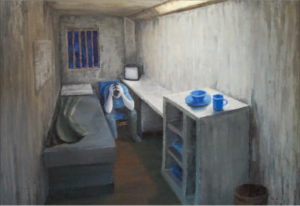
Segregation units and close supervision centres are complex places, where some of the prison’s most challenging individuals are confined alongside some of its most vulnerable people, within a small, enclosed space.