Principles for the criminal justice voluntary sector
Clinks, the national infrastructure organisation for the criminal justice voluntary sector, has revised its list of key principles and goals.
Tags are keywords. I put tags on every post to help you find the content you want. Tags may be people (Dominic Raab, say), organisations (The Howard League, PRT), themes (women offenders, homelessness) or specific items (heroin, racial disparity, ROTL). If you’re looking to research a particular issue, they can be invaluable.

Clinks, the national infrastructure organisation for the criminal justice voluntary sector, has revised its list of key principles and goals.

Briefing calls for better data to build more culturally effective services for BAME people with mental health problems in contact with the justice system.

The Farmer Review is a rigorous examination of the importance of prisoners’ relationships with their families with a set of very challenging recommendations.

Clinks 2017 State of the Sector report reveals the resilience of voluntary organisations working with offenders as well as the increasing financial pressures.

New toolkit for Clinks explores a shared evidence base as a way of measuring desistance with women offenders.

Reports from Clinks and User Voice on the wide range of work done by volunteers in our prisons and the benefits for volunteers and prisoners.

Latest Clinks report on probation changes finds a ‘narrowing’ of services, with changes from one-to-one support to more group work, and from more flexible person-centred approaches to a more process driven or ‘box-ticking’ arrangements.

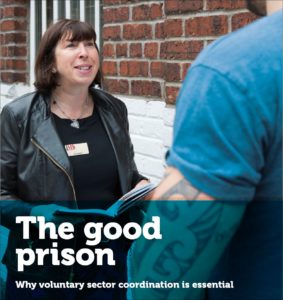
Excellent new discussion paper from Clinks looks to develop a constructive dialogue about how our soon-to-be-reformed prison system should look.

New publication from Clinks and the Revolving Doors Agency highlights nine key issues for new Police and Crime Commissioners to work with the voluntary sector.

2016 Clinks State of the Sector report finds that the offender voluntary sector is facing a serious funding crisis with many services threatened by closure.

The guide is a practical document and provides a structured and accessible introduction to involving offenders and exoffenders; it
includes examples of good practice, checklists and signposts to further information and support.

We know that employment is key to desistance from crime, surely the Prison Service should be doing everything it can to help prisoners reintegrate into the community and go straight?