Prison staff complaints system not working
In a bulletin published yesterday (12 November 2026), the Prisons and Probation Ombudsman highlights repeated failures found in complaints about staff behaviour. The bulletin shares learning aimed at improving standards of professionalism and creating a stronger culture of safety in prisons. Ombudsman Adrian Usher has used the publication as an opportunity to call for greater consequences for staff and prisons in response to such failures:
“I am concerned about the failures presented in this bulletin. We identified repeat and ongoing issues with a lack of available evidence, staff professionalism, poor internal investigations into conduct and poor complaint handling”.
“Prison staff have a very difficult job and many of them do excellent work every day, however professionalism among all staff is crucial to ensuring safe prisons and building better staff-prisoner relationships.”
The bulletin
The bulletin analyses findings from four sub-categories of upheld complaints received from prisoners about staff behaviour: use of force, bullying and harassment, assault, and general complaints. The PPO team reviewed staff behaviour complaints for a five-year period from 1 April 2021 to 31 March 2026, focusing analysis on use of force, bullying and harassment, assault and general staff behaviour complaints.
Routine failure to use body cams
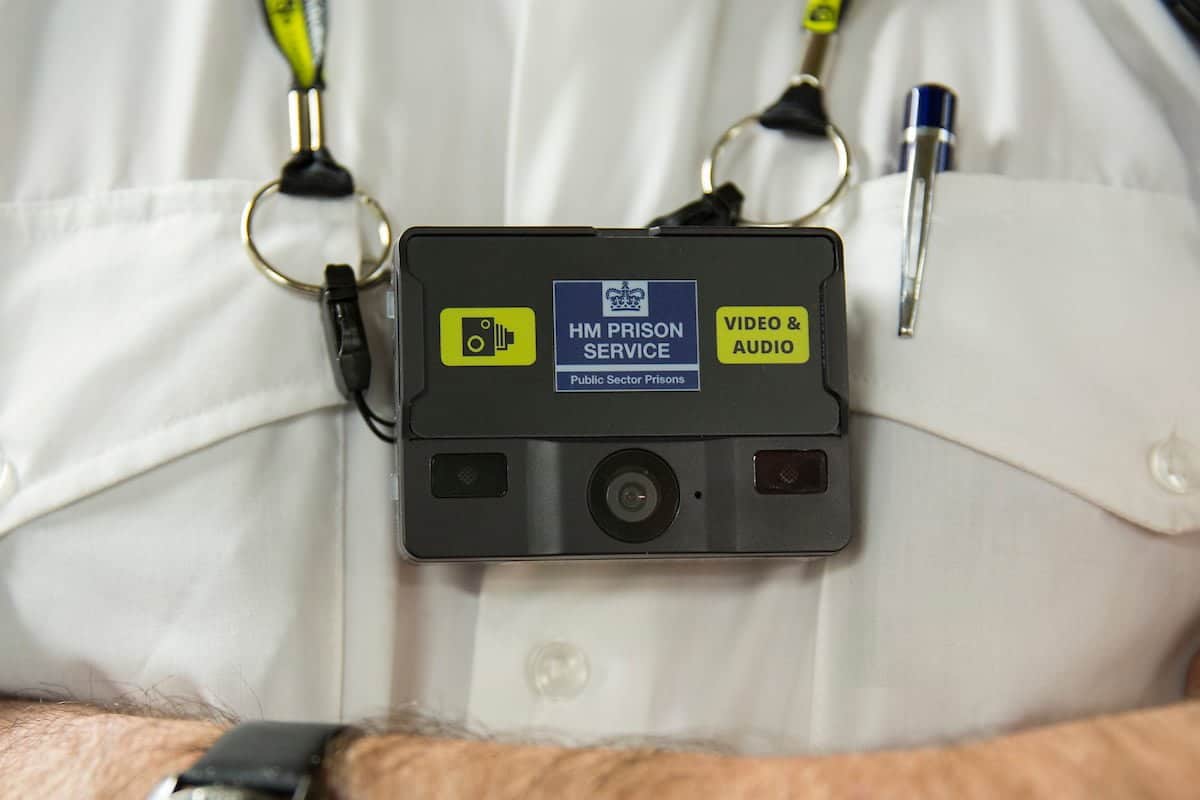
The bulletin highlights the issue of a lack of evidence, which has become evident from the PPO’s investigations into assault and use of force complaints where staff repeatedly failed to use body worn video camera footage. The PPO emphasises that this is not compliant with policy as body worn video camera footage must be used to record events where force is used or events that could potentially lead to force being used.
Shockingly, 36% of 143 complaint investigations reviewed were negatively impacted by the quality and/or lack of evidence provided by the prison. The PPO go on to share that in 64% of cases, where CCTV was requested, footage was not made available to them during their investigation.
Professional conduct
The bulletin also sheds light on issues relating to the professional conduct of prison staff. Out of 113 applicable cases, 58% of the PPO’s investigations were found to involve conduct that fell below expected professional standards. The investigative office highlighted the use of inappropriate language towards prisoners as a repeated issue, with staff also failing to follow procedures as set out in prison policy.
For 47 use of force cases reviewed, the PPO found that there were not adequate de-escalation attempts in 30%.
Mr Usher commented:
“Shouting or swearing at someone is an example of unprofessional behaviour”.
“Professionalism is often an issue seen in our investigations and the importance of treating prisoners with respect and dignity cannot be overstated”.
Poor internal investigations
Lastly, the Ombudsman’s office highlighted poor internal investigations into staff conduct and complaint handling as a major issue.
The PPO identified failings in complaint handling procedures in just over half of the complaints
reviewed, which included delays in responding to complaints, failure to address all aspects of the complaint and poor communication with the complainant.
The PPO was also particularly disappointed to find that in 9% of complaints investigated where there was a formal internal investigation, the staff member being complained about was also involved with conducting the internal prison investigation. Their concerns around the independence and accountability of some prisons’ internal investigations prompted the Ombudsman to reinforce his call for external scrutiny of staff behaviour, adding that
“greater independent oversight is needed. This would improve accountability and identify poor practice earlier, creating a safer culture where staff and prisoners are reassured that failures would be investigated thoroughly.”
He repeated his call that:
“Greater consequences are needed in response to staff behaviour issues.”
Thanks to Andy Aitchison for kind permission to use the header image in this post. You can see Andy’s work here