Deaths in segregation
This is a guest post from the Prisons and Probation Ombudsman’s unit.
The Prisons and Probation Ombudsman (PPO) is an independent body that investigates complaints and deaths in custody. Our aim is to contribute to safer, fairer custody and community supervision. One of the ways we do this is by sharing findings from our investigations that highlight broader issues to prisons and identify learning that would benefit them. Our latest Learning Lessons Bulletin covers recent fatal incidents we have investigated where the prisoner died while being segregated.
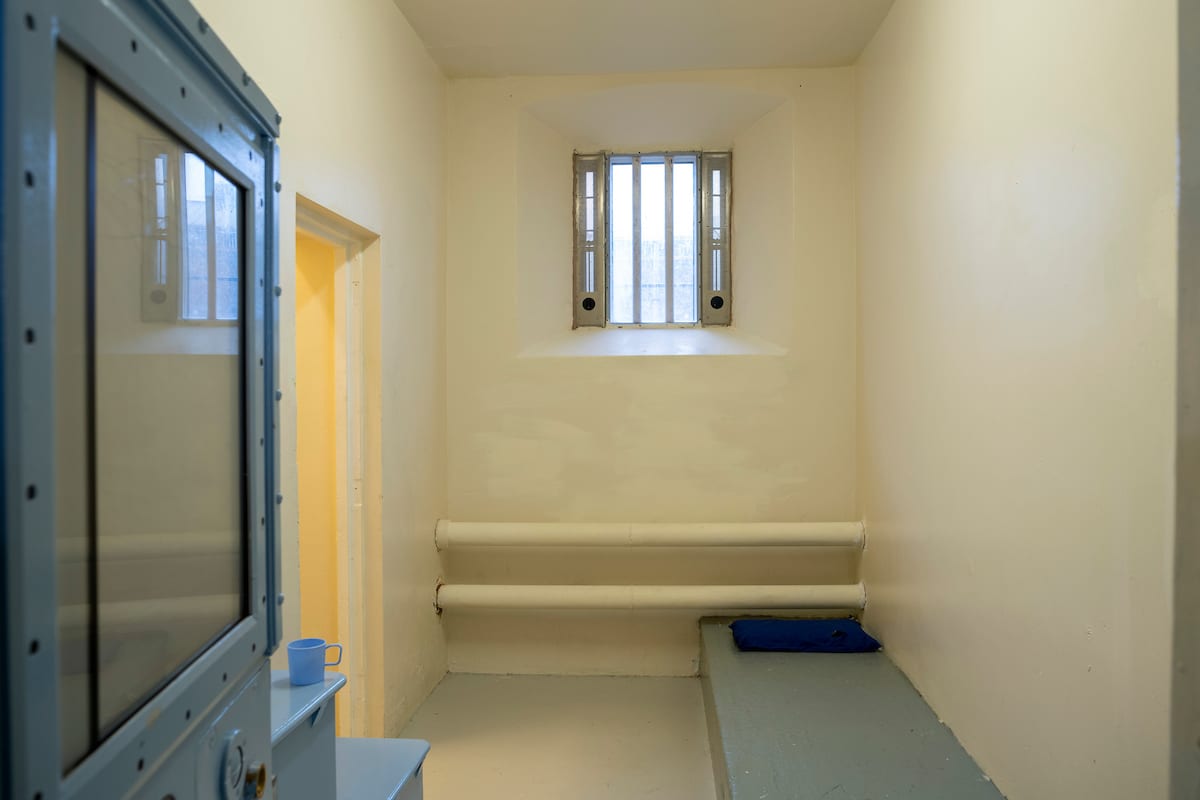
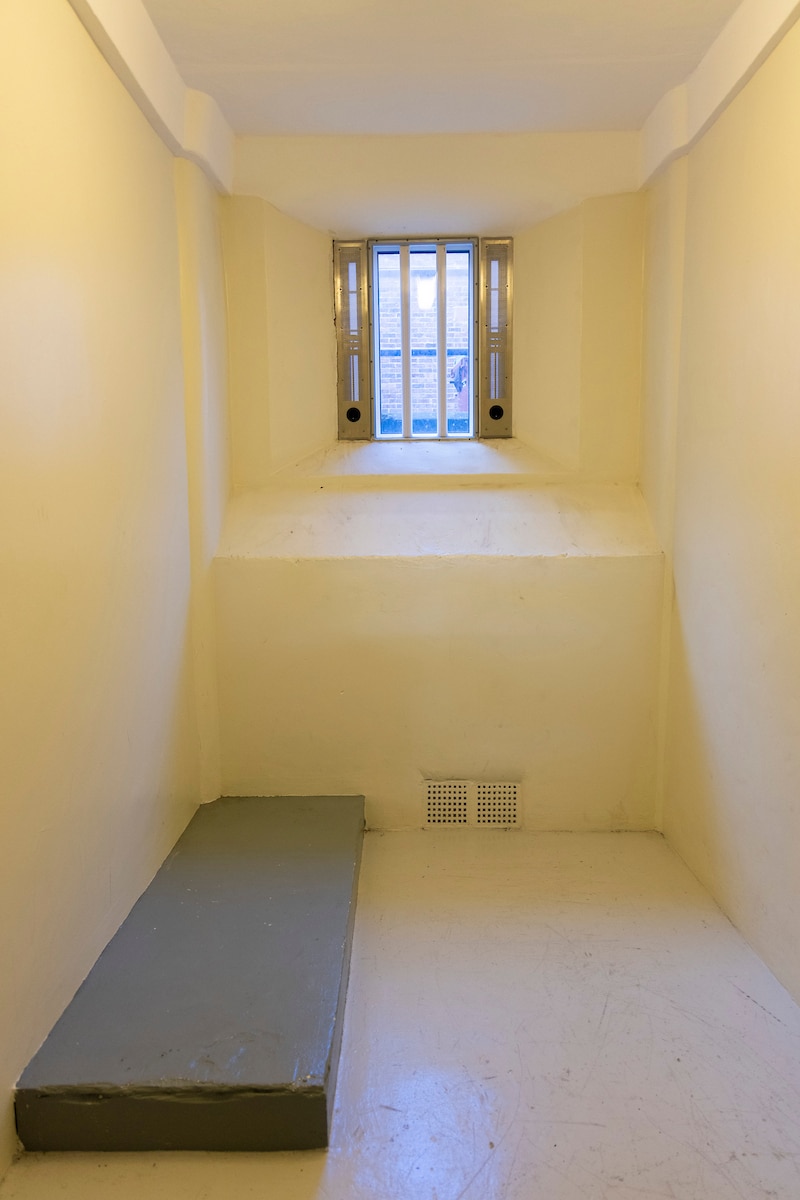
Segregation is an extremely isolating form of custody and has a lot of associated risks. In segregation units, prisoners will usually spend much of the day alone, leaving their cell only for essential daily tasks. Prisoners can be segregated for different reasons, but HMPPS policy makes clear that it should only be used as a last resort whilst maintaining a balance to ensure it remains an option for disruptive prisoners.
In 2015, we published a bulletin on the self-inflicted deaths of prisoners being held in segregation units, and 11 years later, we continue to see several of the same issues.
Segregation and mental health
It is widely known that placing a prisoner in segregation reduces their protective factors against suicide and self-harm. For this reason, the Prison Safety Policy Framework makes clear that the use of segregation for prisoners receiving support through Assessment, Care in Custody and Teamwork, known as ACCT (the care planning system for those at risk of suicide and self-harm), is only defensible in exceptional circumstances.
Despite this, we continue to investigate deaths where prisoners managed under ACCT were segregated without full consideration of alternative options.
In conducting research for the bulletin, we found that between 1 April 2024 and 31 December 2025 there were 14 deaths where the prisoner was located in a segregation unit; 8 of them were on an open ACCT at the time of their death. This includes instances where staff underestimated a prisoner’s risk and the prisoner took their own life.
All prisoners subject to ACCT monitoring while segregated must be referred to the Safety Intervention Meeting. Prisons must also clearly document the reasons for segregating someone that is on an ACCT and the defensible decision log should clearly reflect the prisoner’s risks, triggers and protective factors. We found that this did not happen on multiple occasions.
The lack of contact with other prisoners and lack of activity can take its toll when in segregation, and it is crucial that ACCT procedures are properly followed when a prisoner is segregated.
Continued segregation
A prisoner’s mental health is very likely to decline when they are kept in segregation for too long. Prison policy is clear that if the mental health of a prisoner is at risk and suggests they will not be able to cope with segregation, then they should not be segregated.
We sometimes find that pathways out of segregation and re-integration to standard wings have not been considered properly, resulting in the prisoner being held in segregation conditions longer than necessary. In one of the cases we investigated, the prisoner had been segregated for 110 days. Although we found staff had considered all potential pathways out of the segregation unit, we continue to investigate cases where this has not happened.
The reasons for initial and continuing segregation decisions should be regularly monitored so that prisoners do not spend longer in segregation than is necessary or justified.
Segregation procedures
Many of our fatal incident investigations reveal examples where staff have not followed policy or procedure. This can often lead to an adverse outcome for the prisoner.
Our research revealed cases where staff failed to follow the procedures set out in HMPPS’ Segregation Policy. This included staff not visiting the prisoner as required. Prison staff must complete a form to set out the reason for a prisoner’s initial segregation. We found examples where this was also not done, meaning the prisoner would not know why they were segregated or for how long. This can create feelings of anxiety and uncertainty, increasing their risk of suicide and self-harm.
We recommend that governors and healthcare leaders ensure robust quality assurance processes are in place so they can be confident that segregation procedures are being followed.
Segregation and physical health
Our research also revealed several cases where prisoners were not physically fit enough to be segregated.
The Segregation Policy requires that a prisoner’s initial segregation health screen must be conducted in person and that a GP must visit them in segregation as often as their individual health needs dictate and at least every three days. Assessing a prisoner’s physical health in person is essential when deciding whether segregation is appropriate. In reviewing cases for this bulletin, we found instances where this did not happen.
In one case, a prisoner was deemed as non-compliant and placed in segregation. Despite suffering from epilepsy and sickle cell anaemia, the nurse did not complete his initial segregation health assessment within two hours, and he died later that night. We also investigated the death of a prisoner who died of COVID-19 pneumonia. He was incorrectly assessed by staff as conducting dirty protests while segregated, when in fact a health issue was making him incontinent.
Conclusions and Recommendations
We recommended to HMPPS that the initial segregation health screen requires greater assessment of a prisoner’s physical health. HMPPS have accepted this recommendation and will be revising the screen when the new segregation policy is published.
In summary, it is clear that segregation is likely to heighten a prisoner’s vulnerability. It is essential they are mentally and physically fit enough to be segregated and Governors must ensure that policies and procedures are followed within their establishments.
All reasons to segregate a prisoner should be documented and staff should consistently consider potential pathways to re-integrate prisoners out of segregation units with clear support actions.
The full report can be found here.
Thanks to Andy Aitchison for kind permission to use the images in this post. You can see Andy’s work here