Criminal Justice
The state of youth justice (2023)
The Youth Justice Statistics for 2021/22 provide some glimmers of hope as well as ongoing challenges.

The Youth Justice Statistics for 2021/22 provide some glimmers of hope as well as ongoing challenges.

Inspectors’ analysis of children’s experiences of custody finds they vary considerably between YOIs and STCs.

Constructive Resettlement is an evidence-based framework that empowers practitioners to support children on their own personal journey towards a constructive future.
Professor Neal Hazel provides evidence- based best practice advice on resettling children after custody for the Clinks Evidence Library.

Howard League report reveals three quarters of children remanded to custody do not receive a custodial sentence.

National Audit Office report paints a dismal picture of the state of secure training centres and secure schools.

Justice Committee says children in the criminal justice system should receive a much wider range of treatments.

Standing Committee for Youth Justice new report on ensuring custody is the last resort for children in England & Wales.
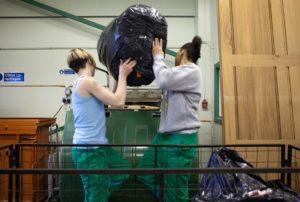
Pippa Goodfellow examines the use of penal custody for girls in England and Wales for the Griffin Society

For the first time, the majority of children in YOIs are from a BAME background.

One of the side-effects of imprisoning fewer children is that more are kept further from home making it difficult for families to visit regularly.

The Chief Inspector again attributed some of the difficulties to cuts in staff numbers. Given the reduction in the number of children in custody, it should be an achievable goal for new Justice Secretary Michael Gove to turn the situation around.