Creating music in prison through lockdown
The Irene Taylor Trust have found a way to keep delivering their music project to prisoners through lockdown.

The Irene Taylor Trust have found a way to keep delivering their music project to prisoners through lockdown.

Unable to coach prisoners because of COVID-19, Spark Inside have pivoted to offer their service to prison officers.

Chromis is a prison based treatment programme aimed at reducing violence in people whose level or combination of psychopathic traits disrupts their ability to engage in treatment and change. Does it work?

Official data for 2019 shows fewer prison receptions, fewer prison releases but more recalls. Probation caseloads continue to fall.

Dame Carol Black’s Review of Drugs provides a detailed overview of drug use and prisons.

How the parole board has gone to a remote hearing system to ensure that prisoners continue to have their applications for parole considered during COVID-19
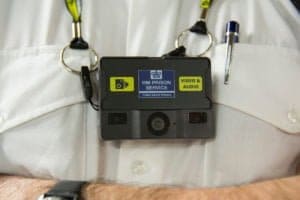
Evaluation of prison officers’ use of body worn video cameras found they had a varying impact on the levels of recorded violence and use of force.

Self-harm incidents reached a record high of 63,328 incidents in 2019, up 14% on the previous year. The number of assaults was down.

Dr Victoria Knight on how digital tools can alleviate the harmful effects of social isolation and deprivation in prison.

How the resilience of StandOut’s trainees is encouraging and inspiring the organisation’s staff.
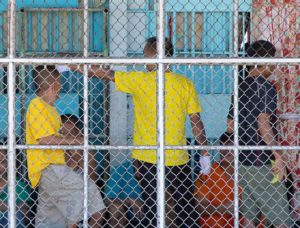
This year’s Global Prison Trends has been released at a crucial time as prisons worldwide are being pushed to breaking point by the COVID-19 pandemic.

Maslaha’s report shows in stark detail how Muslims in prison face racism which obstructs them from practising their religion and prevents them from accessing vital services such as mental health programmes.