Alcohol/Drugs/Gambling
Dying on the streets
St Mungo’s reveals a dramatic increase in the proportion of people sleeping rough who have died with mental health support needs from 2010 to 2017

St Mungo’s reveals a dramatic increase in the proportion of people sleeping rough who have died with mental health support needs from 2010 to 2017

Universal Credit has taken significantly longer to roll-out than intended, may cost more than the benefits system it replaces, and the DWP will never be able to measure whether it has achieved its stated goal of increasing employment.
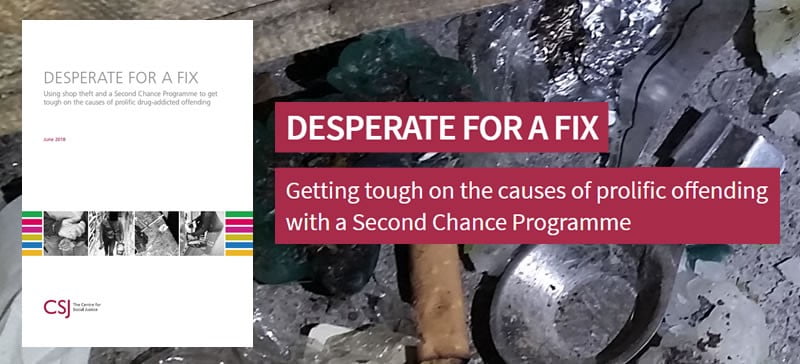
The Centre for Social Justice wants a two year compulsory secure treatment approach to drug-fuelled shoplifting.

A series of striking infographics show the latest drug trends in Europe and the surprising level of difference between countries.

The latest EMCDDA drug report on the UK makes for an interesting read and confirms stabilisation of drug use but a continued fall in the number of drug offences.

Online alcohol intervention allows people to find out how risky their drinking is with a two-minute Alcohol Use Disorders Identification Test (AUDIT).

EMCDDA report finds that in 13% of all English & Welsh homicides, both murderer and victim were drug dealers.

There were 5,507 alcohol-specific deaths in England in 2016, a 4 per cent increase from 2015 and an increase of 11 per cent on 2006.

New European survey shows insufficient testing, treatment and harm reduction despite policy commitments.
GDS2018 provides new data on the latest drug trends and crucial public health and policy issues, as well as a range of fascinating facts. Let’s face it, where else would you find out that 30% people can get cocaine delivered more quickly than a pizza?

Services are in a cycle of disinvestment, staff depletion, and reduced capacity, and this is due to get worse; in 2020 ring-fenced public health funding will end, posing additional risk to the areas of highest need.

The developers of these mental health chatbots do not suggest they are a replacement for person-to-person therapy although there do seem to be some real benefits.