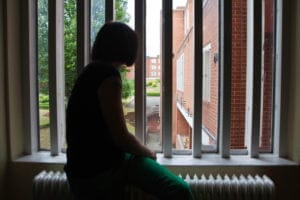
Launched at Wandsworth Prison Unlocking Nature is an ambitious project by the Conservation Foundation to ‘green’ closed environments such as prisons, hospitals and schools to improve the quality of life for the people who live, work, study or receive treatment there.
With help from several of the Foundation’s Associates, including leading garden designer Adolfo Harrison, a new atmosphere has been created in parts of the Wandsworth Prison improving life inside for both men and staff.
Garden interventions in prison settings
The evaluation starts by summarising the research about the positive mental health impact of exposure to nature to humans in a variety of settings and the evidence that gardening-based interventions, and having contact with green spaces, can reduce violent and antisocial behaviours and can increase self-efficacy, self-confidence, and empowerment.
Research has also been conducted on horticultural interventions within secure facilities, concluding that horticulture can create a sense of ownership and the development of life skills, as well as having occupational, rehabilitative, and educational benefits. Moreover, there was an added benefit of improving the relationships between the participants of the project and the wider community, as well as improving physical health.
The project
Unlocking Nature was envisioned to create new green spaces within three exercise yards and other central areas within the prison, by bringing together the prisoners, staff members, and members of the local community and leading horticultural and environmental groups.
Underpinning the project was an aim to improve relationships amongst the men in prison, and between men in prison and staff. The project was also a vehicle for teaching work related skills including communication and land-based skills, and, where possible, for offering a route for taking up a recognised qualification. It was also perceived as offering a means of building an individual’s confidence, self -esteem and familial relationships.
The project involved a wide range of activities including construction, gardening, keeping chickens and bee-keeping.
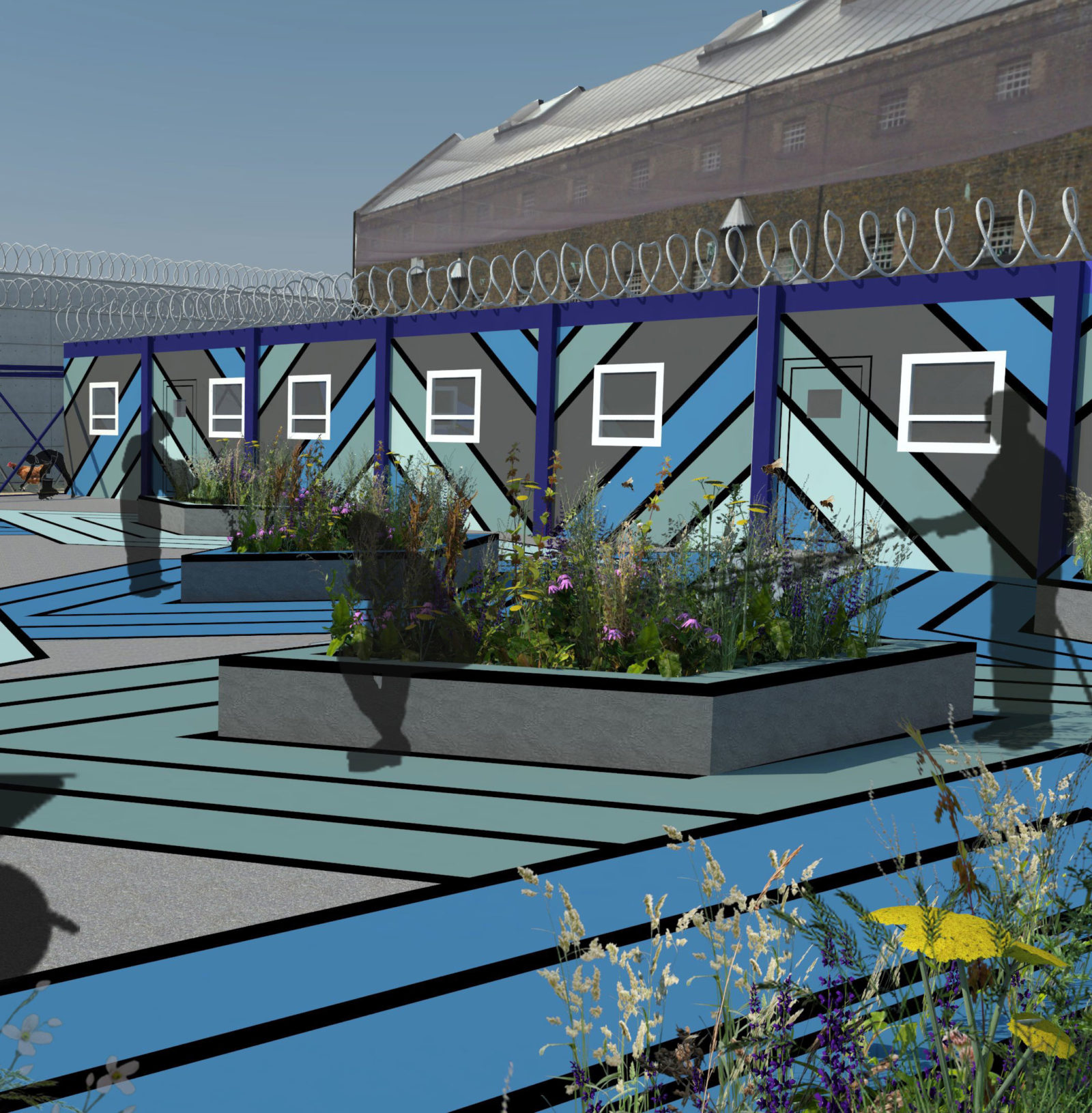
Findings
Prisoners and staff directly involved in the project were very enthusiastic about the project and enjoyed their participation. Although those not involved were also positive, many expressed the view that there were a number or more urgent concerns at the prison which should have been prioritised.
The evaluation findings were organised into five categories; although there is limited data regarded outcomes in each of these areas
- Greening the prison environment and land-based activities
- Health and wellbeing
- Learning/developing skills
- Engaging in meaningful activities
- Building relationships between prisoners and prison staff.
You can find more detail in the evaluation here.