Women offenders and Transforming Rehabilitation
However, the main challenge I can see is that most women in the criminal justice system have complex, entrenched needs which require intensive and extensive help. The response paper seems to imply (page 16) that the additional £3.78 million paid to Probation Trusts for services for women offenders in the current financial year will be discontinued when new providers take over in April 2015 (see timeline here).

The price of women in prison, a race to the bottom
The first recommendation of the Corston Report was that “[e]very agency within the criminal justice system must prioritise and accelerate preparations to implement the gender equality duty and radically transform the way they deliver services for women On Friday, the MoJ put out three documents , a response to the Justice Committee’s report, an overview of the women’s custodial estate and a stock take of community services.

Distinguished criminal justice expert Rob Allen questions whole structure of Transforming Rehabilitation
Rob Allen has a lifetime of experience in the youth justice, probation and prison sectors, in the latest in a series of interviews about the MoJ’s probation reform programme: Transforming Rehabilitation. He questions the whole structure of TR, the speed of change and thinks that even the positive measure of providing support to short term prisoners is likely to result in increased levels of custody…

I’m sorry Sir, it’s against the law
There are plenty of arcane, not to say bizarre laws in the UK. However, as usual, our US cousins outdo us in the strange and wacky department. There are American states where you can’t use public transport for four hours after eating garlic, where men with moustaches can’t kiss women and where the value of Pi is not 3.14, but 4…
Will the new resettlement prisons work?
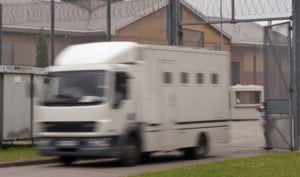
One of the least controversial aspects of Transforming Rehabilitation, the Ministry of Justice’s project to reform the probation service, is the establishment of 71 resettlement prisons. These resettlement prisons are linked with one or more Contract Package Areas and the aim is for all prisoners to spend the last three months of their sentence in their local resettlement prison so that release plans can be properly developed. The MoJ target is to ensure that at least 80% adult male offenders will be released from these resettlement prisons. But is this target achievable…?
This post examines the challenges facing resettlement prisons.

Clinks on the opportunities and risks of new probation system
Clive Martin, Director of Clinks, in the latest in a series of interviews about the MoJ’s probation reform programme: Transforming Rehabilitation. Clive sees the potential that TR will be a success but he also expresses serious concerns on a number of issues…