
Maximum stalking sentence to become 10 years
Last week (6 January 2017) Justice Minister Sam Gyimah announced plans to double the maximum sentence for stalking.
The maximum custodial sentence available to the courts for stalking will increase from 5 to 10 years, and from 7 to 14 years if the offence was racially or religiously aggravated.
Ministers say the plans will help make sure the punishment reflects the severity of the crime and its damaging consequences on victims.
Justice Minister Sam Gyimah said:
Stalkers torment their victims and can make everyday life almost unbearable. We are doubling the maximum sentences available to the courts so these awful crimes can be properly punished.
We are also working across the criminal justice system to ensure mental health issues associated with these crimes are properly addressed.
The government will seek to implement the change through an amendment to the Policing and Crime Bill, currently going through Parliament. It will go further than the amendment recently passed in the House of Lords, as it will also raise the maximum sentence for harassment – from 5 to 10 years and 7 to 14 years if racially or religiously aggravated.
The amendment will be considered today (10 January 2017).
The move will make it possible for the courts to impose longer sentences in the most serious cases.
The government is taking further action to protect victims from stalking, including new protection orders to intervene early to keep victims safe and stop ‘stranger stalking’ before it escalates. The new measures will allow the police to place controls on perpetrators, preventing their behaviour intensifying while the crime is being investigated.
Conclusion
In 2015, a total of 1,029 people were convicted of the two offences (194 people of the stalking offence and 835 of putting people in fear of violence). The average custodial sentence for stalking was 14.1 months.
It appears likely, therefore, that the new maximum sentences (if approved by Parliament) are unlikely to be passed in many cases. Nevertheless, the announcement does send a message that stalking is regarded increasingly seriously and be seen alongside the plans for stalking protection orders announced by the Home Secretary before Christmas (7 December 2016).
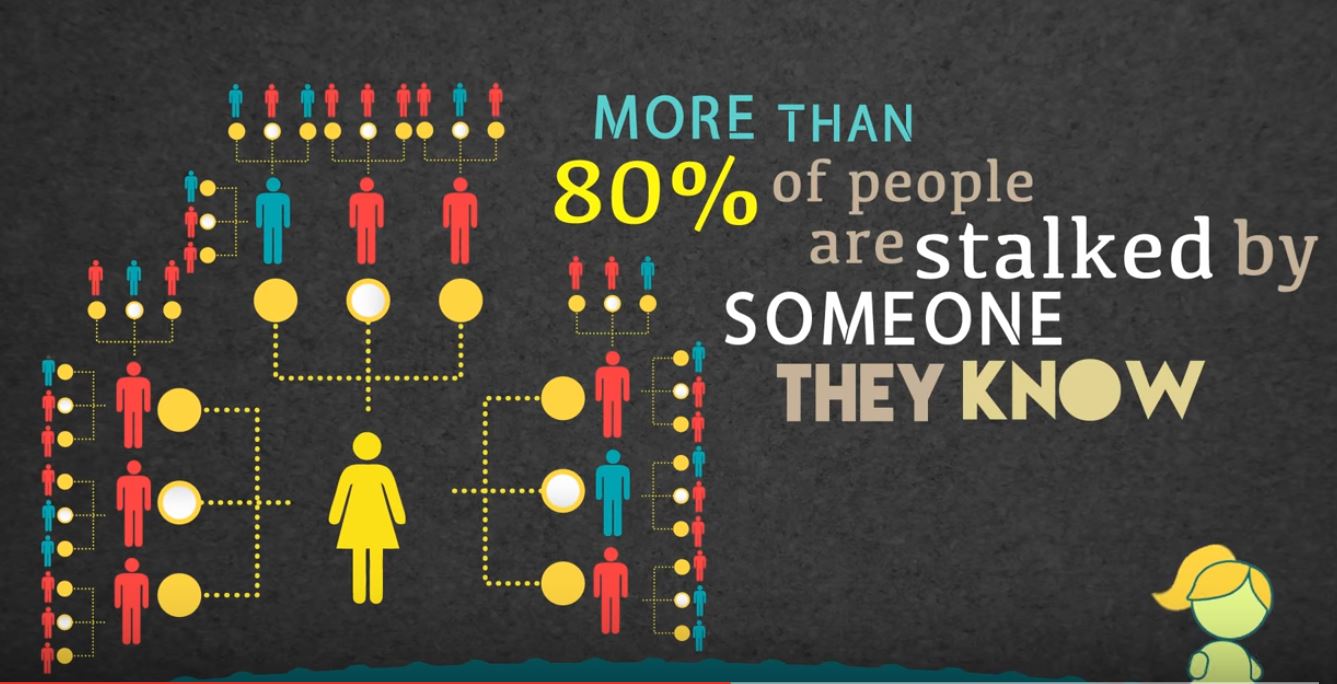
The animation below from the Suzy Lamplugh Trust looks as what stalking is and the different ways it can manifest.
The Criminal Justice category is kindly sponsored by Get the Data which provides Social Impact Analytics to enable organisations to demonstrate their impact on society. GtD has no editorial influence on the contents of this site.


One Response
So it is a shame that this does not include crimes against Gay and Lesbian folk, not to mention the many disabled people who get harassed and abused day in day out . It is a good thing that this will not imprison too many people for too long but it does seem like it might be a reasonable deterrent but as I see it needs to be extended to include crimes against all vulnerable minorities, including the elderly
http://www.usersvoice.org