Journeys to harmful behaviour
A project from the Probation Institute, Anglia Ruskin University and Cogito Development Projects, funded by Forces in Mind Trust, has aimed to improve support for former Service personnel within the criminal justice system by translating the findings from previous research into practical improvements in policy and practice.
A new (27 January 2026) report, focuses on four key themes identified in the original research:
Support for veterans in the community
Increased training for justice agencies in identifying and working with veterans in the justice system
Understanding the impact of adverse childhood experiences
Addressing gender issues in military service
Original research
Life course analysis demonstrated that all participants encountered substantial childhood adversity prior to military service. Whilst the military environment provided protective factors such as accommodation security, economic stability, structured purpose and social inclusion, it also embedded individuals within cultures that normalised violence, promoted hypermasculinity and encouraged an elevated use of alcohol.
Subsequent transitions to civilian life proved particularly precarious, as the loss of institutional protections coincided with amplified risks, often creating conditions conducive to harmful behaviour.
Six strands of activity
The project organised implementation activities around six thematic strands of strategic priority:
1 Learning Opportunities in the Justice Sector: This strand addressed fragmented training provision through a knowledge exchange workshop which led to the Probation Institute expanding its website to host a broader range of learning materials and a bid to the Office for Veterans’ Affairs to support the development of comprehensive
training.
2 Support for Personnel with Adverse Childhood Experiences: This strand engaged in strategic conversations about the support needed for those who enlist with Adverse Childhood Experiences (ACEs) in their background.
The team wove consideration of childhood adversity throughout all project activities, exploring how pre-service vulnerability intersects with military culture and post-service transitions. Veterans face a dual complexity as pre-existing childhood adversity is compounded by distinctive impacts of military service, and that there was a need for this to be understood by all involved in the sentencing process.
3 Family Support Initiatives: This strand brought together armed services charities and other agencies who identified that families often fall through gaps in support, particularly first families or those estranged from veterans at the point of sentence. The breakdown in families typically occurs before custody begins, yet early intervention opportunities remain largely undeveloped.
4 Addressing Negative Military Culture: Underpinning all engagement activities, this strand aimed to capture recent developments in this area. All stakeholders acknowledged the complexity of military culture – recognising the military’s capacity to provide identity,
belonging and discipline -whilst also embedding risks through hypermasculinity, alcohol culture and problematic attitudes towards women for some. The Ministry of Defence’s ‘Raising our Standards’ programme, provided a potential avenue for influence, though direct engagement with military leadership remained a significant challenge.
5 Enhancing Justice Sector Contributions: This strand brought together the experiences of those leading from policing, prisons and probation to explore current practices
and coordination challenges. Key concerns included persistent data sharing issues, regional variations in practice despite demonstrated appetite for national coordination, and inadequate training provision
across agencies.
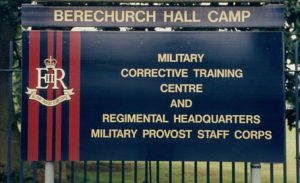
6 Strengthening Rehabilitation Pathways: The project team engaged with the Military Corrective Training Centre (MCTC) to learn more about their current practice. Engagement led to a better understanding of both the exemplary work being done and significant gaps in provision post discharge.
Individuals leaving MCTC detention after being discharged from service often receive no statutory supervision, particularly concerning for those convicted of sexual or violent offences falling below MAPPA thresholds. MCTC’s staff provide considerable support and referrals to armed services charities, but no feedback mechanisms exist to know whether individuals engage with recommended services.
Conclusion
This is an ongoing project with a new research project including six Veterans in Custody Support Officers to examine the wellbeing support and training requirements necessary for effective implementation of recent HMPPS guidance.