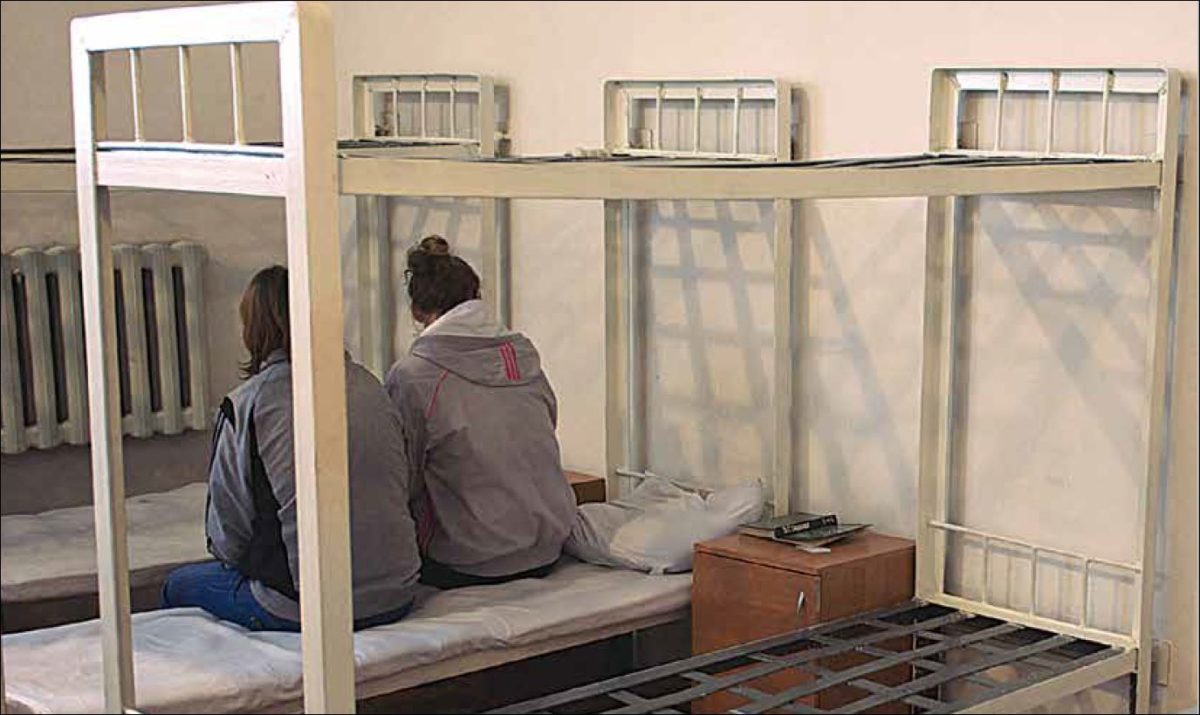
10 million people in prison
The latest annual report on Global Prison Trends written by Rob Allen (@robroballen) for Penal Reform International paints a depressingly familiar picture.
According to the United Nations Office on Drugs and Crime, at any one time more than 10 million people around the world are being held in prison and other places of detention – only about a third of them in connection with violent crime.
The report itself is diligently assembled and provides a compelling, nuanced analysis of global incarceration and merits a careful read from those interested in penal reform.
This blog post does no more than pick out some of the more salient facts.
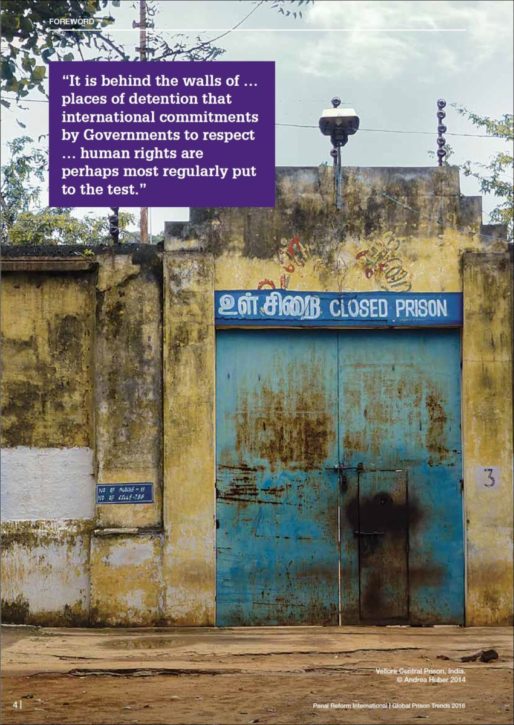
Headline findings
Here are some of the headline findings:
- More than three million people are being held on remand, awaiting trial – in many cases in connection with minor theft-related charges.
- The number of women and girls in prison has increased by about 50% since the year 2000.
- The number of prisoners now exceeds official prison capacity in 116 countries – in 21 of these countries it is even between double and quadruple official capacity.
- Many countries have responded by building new, often larger prisons. The Saudi Arabian General Directorate of Prisons, for example, has said that three correctional institutions for the treatment, training and social rehabilitation of young offenders will be established to accommodate 12,000 prisoners.
- In the USA, more than half of states have introduced laws or policies that have sought to reduce the severity of sentencing for non-violent offences and breaches of parole and supervision in order to avert unaffordable prison growth.
- Electronic monitoring is becoming increasingly popular around the world as a cheaper alternative to imprisonment with some studies finding it reduced reoffending rates (from 14.1% to 1.% in South Korea) while others (a programme of tracking juveniles in California) found it failed to save money and could be extremely punitive.
- Only 34% of prisoners were serving sentences that were principally tied to violent offences in 2012, according to UNODC.
- In many countries (including the USA and the UK), the proportion of elderly prisoners has continued to increase.
- Given the levels of overcrowding in many prisons, both prisoners and staff are at high risk of contracting infectious diseases — for instance Doctors in Mumbai have been concerned about an outbreak of drug resistant tuberculosis in prisons.
- Even in high-income countries, prisons may fail to provide enough food.
- Prison riots with loss of life among both prisoners and guards appear to be commonplace in many countries, particularly in Latin America as well as Russia, Thailand, Lebanon, Iraq, USA, Australia, Canada, Ireland, Afghanistan, Nigeria and Greece.
Recommendations
The report concludes with 25 key recommendations, too many to reproduce here. However, the recommendations naturally respond to the main trends and challenges which are common to many different states and which are summarised as:
Overcrowding, excessive use of pre-trial detention, harsh sentencing and inadequately resourced prison systems, for example, can be found on all continents and in high-, medium and low-income countries. So too can poor healthcare, lack of alternatives to custody and risks of radicalisation.