This is a guest post by Lauren Hayman who shares the findings from a series of interviews with men in Welsh prisons. Lauren Hayman is a graduate of the University of Cambridge Institute of Criminology, where she completed an MSt in Applied Criminology, Penology and Management.
The Hidden Pain of Human Contact Loss
Human touch is fundamental to psychological wellbeing. It regulates emotion, reinforces identity, and underpins social connection. Yet within prison environments, touch is not only restricted – it is transformed. What remains is often controlled, imposed, or stripped of meaning.
This article draws on qualitative research with eleven prisoners serving long sentences in a male prison in Wales, exploring how touch is experienced, interpreted, and endured in custody. It reveals a striking paradox: prisoners are frequently touched, but rarely in ways that support wellbeing. Instead, touch becomes a site of tension, power, and deprivation
Touch as a Human Need
A substantial body of research demonstrates that touch is not a luxury, but a necessity. From infancy through to adulthood, physical contact plays a crucial role in emotional regulation, attachment, and health. Its absence has been linked to anxiety, depression, and impaired social functioning.
However, touch is not inherently positive. Its meaning is shaped by context, intention, and prior experience. Affectionate touch can soothe and connect; imposed or unwanted touch can trigger stress responses and reinforce vulnerability.
This distinction is critical in prison settings, where the nature of touch changes fundamentally.
The Paradox of Touch in Prison
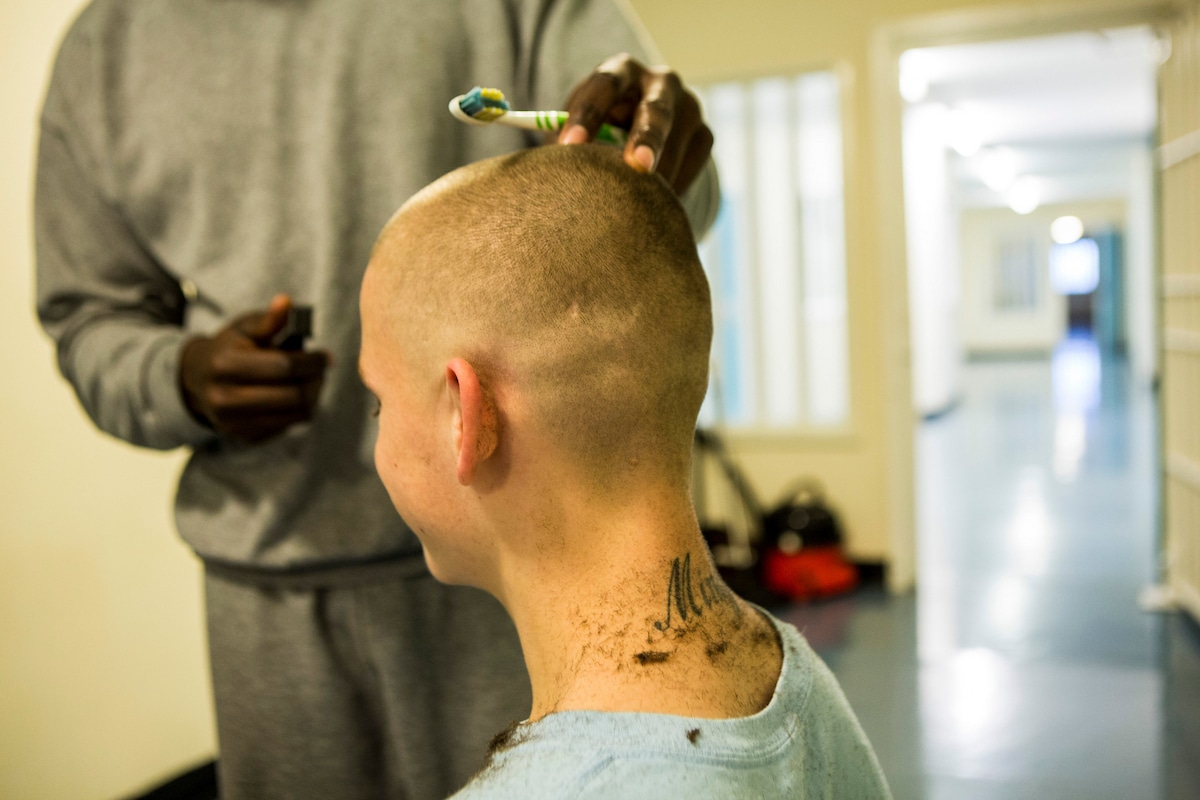
Contrary to assumptions, prisoners are not deprived of touch in a literal sense. All participants in this study reported frequent physical contact. However, this contact was overwhelmingly described as unwanted, functional, or imposed.
As one participant put it:
“The touch I want is not the touch I get.”
This distinction—between the presence of touch and the absence of meaningful touch – is central.
Touch in prison broadly takes three forms: institutional touch (such as searching and restraint), social touch between prisoners, and highly restricted contact with family. Across all three, prisoners described a profound mismatch between what they experienced and what they needed.
Unwanted and Imposed Touch
Unwanted touch was a defining feature of prison life. Searches, pat-downs, and use of force were described as routine, yet deeply uncomfortable.
While prisoners generally accepted the necessity of such practices, the experience itself often produced feelings of violation, anxiety, and powerlessness.
“When a staff member touches you, you just want it to hurry up and end… with family you don’t want it to end.”
The issue was not simply the act of touch, but the absence of control – over who touched them, when, and how.
“You wouldn’t just walk up to a stranger and touch them… but it’s ok in here, where we’re powerless.”
For some, these experiences triggered strong emotional and physical reactions in the moment, including anxiety and anger, and in some cases reactivated earlier trauma:
“My hands get sweaty, my heart starts racing… It reminds me of when I was a child.”
Touch between prisoners was equally complex. While some interactions were friendly, many were shaped by the pressures of masculine prison culture, where physical contact could function as a form of social survival.
“I bit at them, (when having genitals grabbed by another prisoner) but then felt forced to laugh to avoid conflict.”
In this context, touch was often something to manage or endure, rather than something chosen.
The Absence of Desired Touch
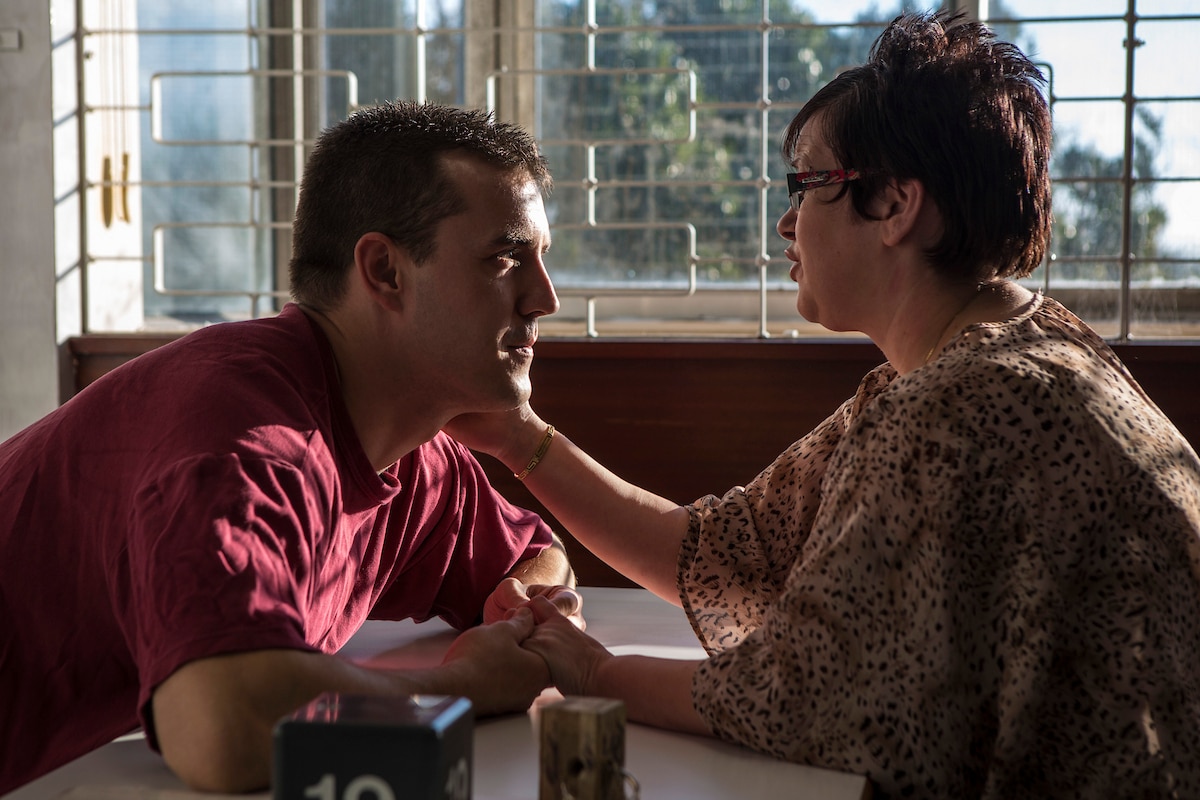
Alongside the presence of unwanted contact was a profound absence of affectionate and meaningful touch. Participants spoke repeatedly of missing everyday forms of intimacy: hugging family members, sitting close to a partner, or simply being physically close to someone they cared about.
“I really miss it all… just giving them a hug.”
Importantly, deprivation was not defined by how often prisoners were touched, but by the absence of the right kind of touch.
Over time, this absence reshaped relationships. Some prisoners described becoming emotionally distant from loved ones, while others avoided visits altogether because the limited contact made separation more painful.
“When the love and touch is taken away, it’s painful… so I’d rather avoid it.”
Others described a more gradual emotional shift:
“It’s made me cold… like the feeling has just died.”
Trauma, Anxiety, and Adaptation
The study identified clear links between prison touch experiences and trauma responses. Many prisoners entered custody with histories of abuse or neglect, meaning that imposed touch – particularly from authority figures – could act as a trigger.
“I don’t like being touched by men… I was abused as a child.”
Participants described physical symptoms such as sweating and increased heart rate, alongside behavioural responses including avoidance, defensiveness, and anger.
At the same time, many expressed a conflicting desire for connection.
“I want touch now more than I ever have… but I’m nervous about it.”
Over time, prisoners adapted. Some avoided situations involving touch altogether, such as work or social interaction. Others described “switching off” emotionally during searches or physical contact with staff.
“You just turn your brain off to it… it’s like you’re not even there.”
For long-term prisoners, these coping mechanisms often became normalised, reflecting a broader process of psychological adaptation to the prison environment.
Coping and the Need to Feel
In the absence of meaningful touch, prisoners described a range of coping strategies.
Some forms of coping were emotional, such as withdrawal or numbing. Others were behavioural. Several participants described self-soothing practices, including increased masturbation, linked not simply to sexual desire but to loneliness and lack of intimacy—an attempt to manage isolation and absence of connection.
More strikingly, some described seeking physical contact through conflict or control situations, not out of aggression alone, but as a way of feeling something in an otherwise deprived environment.
“Even if they kicked the shit out of me… I was feeling something.”
Another explained:
“When they grip you… it’s like a release… like I even exist to someone.”
These accounts highlight a difficult reality: when positive touch is absent, even negative physical contact can take on meaning.
Touch, Power, and Control
A central finding of the research is the relationship between touch and power.
In prison, touch is rarely reciprocal. Staff can touch prisoners as part of their role, but the reverse is prohibited. This asymmetry reinforces hierarchies and contributes to a sense of diminished autonomy.
“They can touch me if they like… but I can’t touch them.”
Participants repeatedly emphasised the importance of consent – not as a mechanism to prevent contact, but as a gesture of recognition and respect.
“Even if they’re going to do it anyway… just ask.”
Small differences in delivery—tone, manner, and care—had a significant impact on how touch was experienced.
“Some staff search like they care… others like you’re a piece of meat.”
When touch was carried out with respect, it could feel humanising. When it was not, it reinforced feelings of being devalued or objectified.
Why This Matters
These findings raise important questions about how imprisonment is understood.
Prisons are designed to restrict liberty, but they also reshape something more fundamental: human connection. The combination of excessive unwanted touch, limited meaningful touch, and lack of control over both creates a complex psychological environment that is rarely acknowledged.
This has implications for mental health, behaviour, and relationships. Experiences of touch are closely tied to trauma, identity, and emotional regulation. Their disruption may contribute to withdrawal, aggression, and difficulties in maintaining relationships both inside prison and after release.
If rehabilitation is to be taken seriously, these dimensions cannot be ignored.
Conclusion
Touch in prison is not absent—but it is profoundly altered. Prisoners live in a world where physical contact is frequent, yet often unwanted, and where meaningful, affectionate touch is scarce.
The result is a quiet but significant form of deprivation.
As one participant reflected:
“Touch in prison is weird… it’s either violent or sexual and it’s just odd.”
Recognising this does not challenge the necessity of prison security. But it does call for a more nuanced understanding of what imprisonment does to people – not just in terms of freedom, but in terms of connection, identity, and humanity.
If prisons are to support rehabilitation, then the hidden role of touch and its absence deserves far greater attention.
Lauren can be contacted at: lauren.hayman@cardiff.gov.uk
Thanks to Andy Aitchison for kind permission to use the images in this post. You can see Andy’s work here