Prison and probation officers leaving in droves
The latest HMPPS workforce statistics show large numbers of prison and probation staff leaving the service.

The latest HMPPS workforce statistics show large numbers of prison and probation staff leaving the service.

The love of a good woman can be critical to desistance – but what is the impact on her?
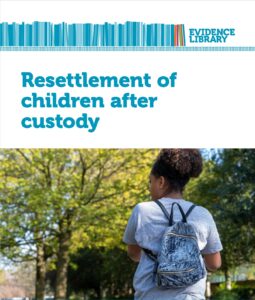
Professor Neal Hazel provides evidence- based best practice advice on resettling children after custody for the Clinks Evidence Library.

Professional curiosity can be a useful tool for probation staff assessing risk and supporting people to change.

Interesting facts & figures from the 2021/22 HMPPS Annual Digest

The Offender Management Statistics published in July 2022 shows the main justice trends including growing numbers of people in prison and on probation.
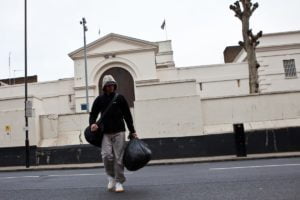
Community Chaplaincy Norfolk share a story of meeting a person as they are released from prison.

Research into how confident probation staff feel about working with people at risk of suicide or self-harm.

Matt Tidmarsh’s preliminary findings on what probation staff think of the (re-)unified service.

A new book about effective mental health interventions in probation.
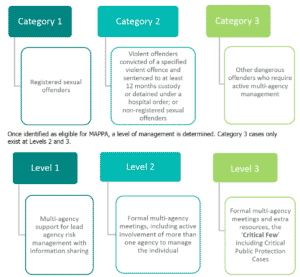
Joint inspection finds MAPPA under-used and inconsistent, despite a 70% increase in caseload in the last decade.

The histories of ex-armed services personnel who have committed offences of serious harm to others.