
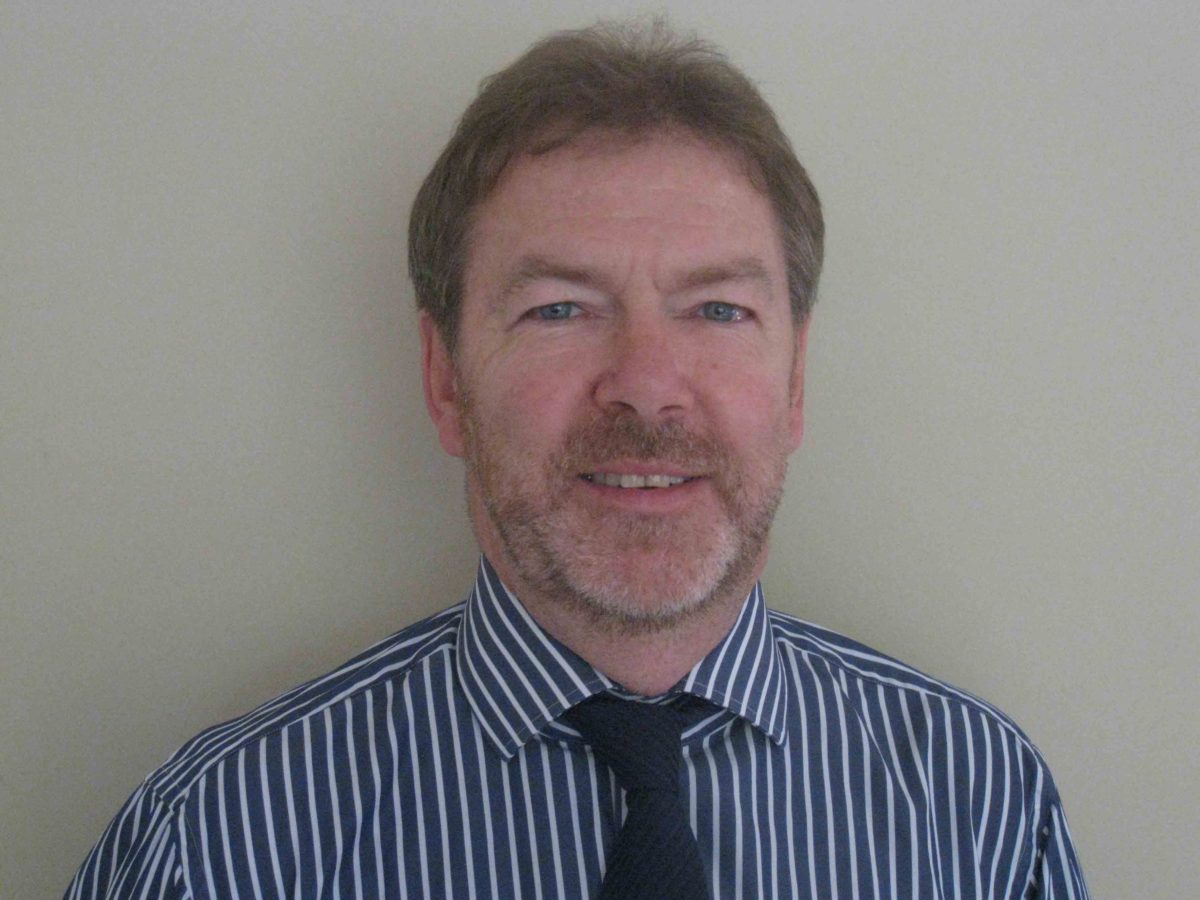
Professor Louis Appleby is a mental health clinician and adviser to the government on health of offenders & on suicide prevention
Why I started tweeting is not why I am still doing it
Why I started tweeting is not why I am still doing it.
I started out of fear – fear of being left behind, a powerful force in men of a certain age.
I was going on to my kids about the absurdity of ending up in court for something you say on twitter – since when was being foolish a criminal offence?
They pointed out that I was talking as if someone on twitter was just typing alone into their PC when in fact this was a whole, real world. And incidentally, one I wasn’t part of. That did it.
Striking Gold
But the moment when twitter became a daily companion happened two months later – the Olympic opening ceremony. I was away and texting about it to my kids (them again) who were watching it at home.
After a few minutes I started wondering if I had become a teenager’s worst nightmare, the parent who won’t stop talking, so I switched to twitter.
Until then I had stuck to work topics – offender health and suicide prevention – and told myself all the usual things: twitter would make me more accessible to colleagues, more accountable to the public.
Now I began to stretch my subject matter a little – Danny Boyle’s depiction of the NHS and multicultural Britain gave me the excuse.
From there it was a small step to personal reflections culminating in the tumultuous evening when Mo Farah and Jessica Ennis won gold and the entire country went wild.
Part diary, part dialogue
Nowadays I see twitter as part diary, part dialogue.
It is still mainly about work but the connection between what I tweet and what I do for a living can be tenuous.
I don’t have a plan, I just tweet about what interests me – a newly published study, an off-beat bit of science, the latest episode of Casualty.
I’m fascinated by the history of medicine, ever since I wrote a medical travel book, and can’t resist anniversaries. I am defensive about mental health services and feel compelled to respond when someone takes a casual swipe at what they do.
I do sometimes worry I am turning out 140 characters of condensed gibberish so it is a relief when people reply. I do my best to answer questions, though I can’t summon the energy for arguments.
I have occasionally joined a trending topic, as with #PopLeveson – converting song titles into the oblique questioning style of the Leveson Inquiry.
The morning ritual
So I start each morning by checking twitter for breaking news.
By then @LisaSaysThis has already posted an optimistic message of leadership and @CCLeicsPolice has set out his day ahead for the benefit of the paying public. [This last account belongs to Chief Constable Simon Cole, the national lead on policing and mental health issues who has also written a post on why he tweets for this series.]
I don’t follow many celebrities but I am a fan of @RevRichardColes, whose whimsical world is straight out of PG Wodehouse, and @Cmdr_Hadfield on the International Space Station who tweets photos of the Earth and once in a while talks to @WilliamShatner.
Through twitter I am on friendly terms with people I will never meet and see others I have known for years in a new light – like @PaulJRethink with his interest in all things classical.
I have (I think) come to understand far better the perspective of probation and the police.
More than anything, twitter has reminded me how many amusing, well-informed people there are out there.
It attracts publicity for trolling and abuse but far more often it is principled, funny and tolerant.
A cure for impatience
And it has almost cured my type A personality, my lifelong impatience.
Because these days I always have something to do in a check-in queue or on a late train back to Manchester.
This is the 35th post in the criminal justice/legal Why I tweet series. Read the others here.
If you’d like to develop your tweeting skills, check out my online Twitter coaching service which includes an individualised profile of your Twitter style.

I am very grateful for your tweets Professor Appleby. I have had a 34 year career in mental health in Cambs and Herts with a special interest in suicide and homicide prevention throughout so I have huge respect for your work at NCISH. Through your tweets about your mother and your various travels I also feel I’ve got to know you a bit which is nice. I am horrified that some people on line are not willing to accept the latest data on suicides nationally which is that the numbers have NOT gone up since Covid.